
What is Reflexology?
An integrative health practice, reflexology maps a reflection of the body predominately on the feet, hands, face and outer ears. It uses unique manual techniques to deliver pressure to neural pathways to promote balance, thereby assisting the body to function optimally. Unlike hand or foot massage, which manipulates muscle tissues to relax and relieve tension, the pressure point system in reflexology can target a much wider scope of health challenges. In this practice, the foot is the map of access to the health of the entire body. If for instance you have sinus trouble, your toes will be the focus.
Assists With:
Tension Headaches
Insomnia
Stomach Issues
Anxiety
Chronic Pain
Stress
What to Expect:
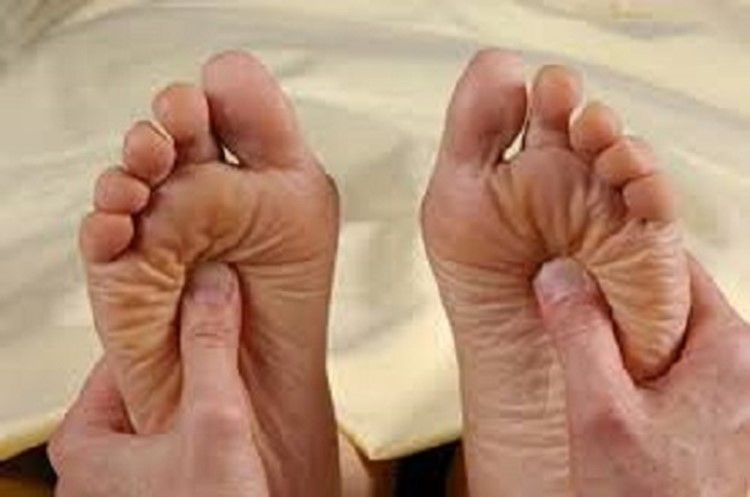
After an initial consultation, where your goals, expectations and health concerns are addressed with your practitioner, clients will relax on a chair or massage table, facing up, for a session lasting 60 or 90 minutes.
Loose, comfortable clothes are suggested for your appointment, as only shoes will be removed during the session. Your practitioner will use mild to moderate pressure on specific reflex areas in the feet and/or hands. The experience should be relaxing and energizing.
Initial Reflexology Consultation – 90 minutes - $110.00
Subsequent One Hour Sessions – 60 minutes - $ 75.00
Safe, Effective & Personalized Reflexology for you
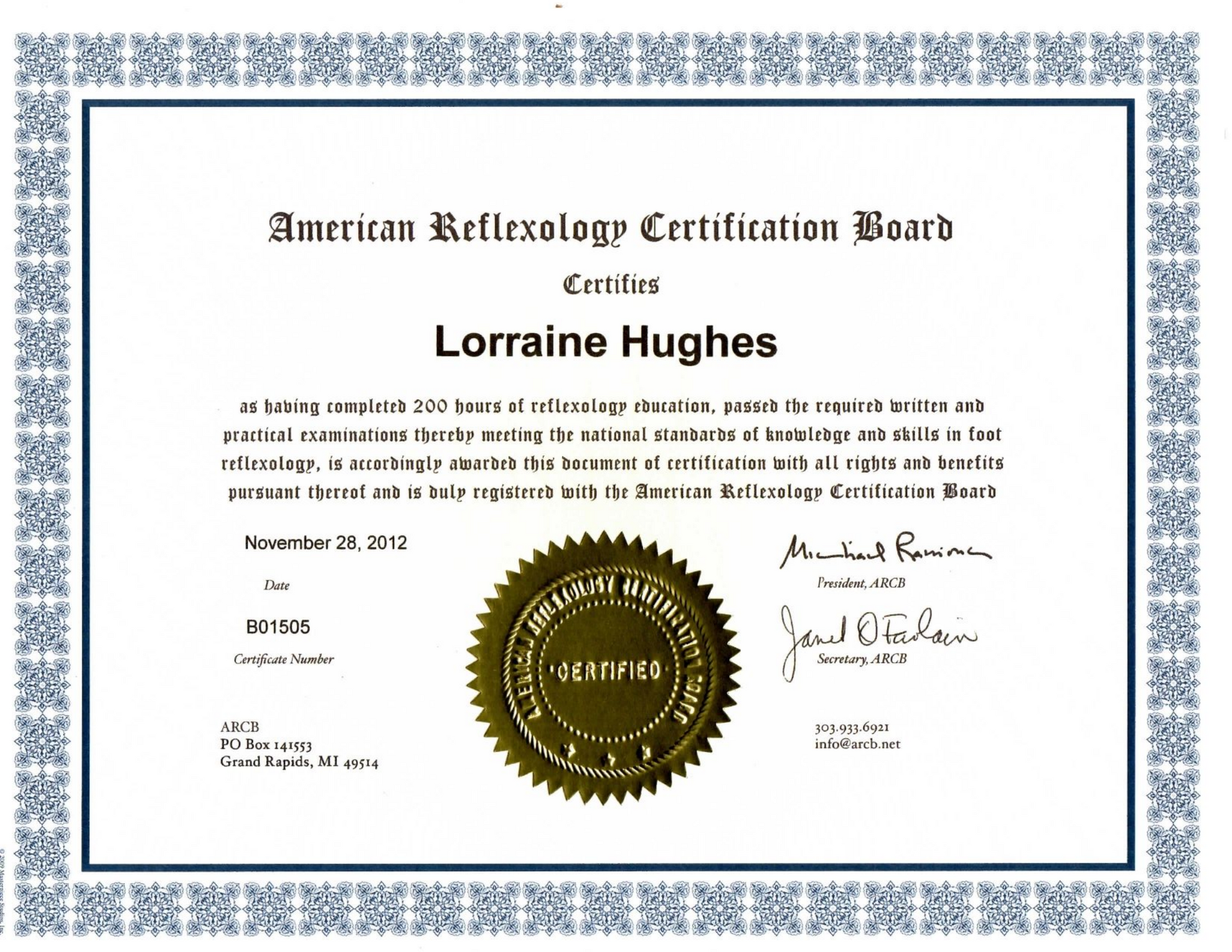
Lorraine is a Board Certified Reflexologist, having completed professional training and certification requirements in reflexology. Her education and experience allow her to provide safe, effective, and personalized sessions designed to support relaxation, stress relief, and overall wellness. Continuing education helps her stay current with best practices and holistic health approaches.
Frequently Asked Questions – Reflexology Treatment
1. What is reflexology?
Reflexology is a manual therapy that applies targeted pressure to reflex points on the feet, hands (and sometimes ears and face) that are believed to correspond with organs and systems of the body. Unlike a basic foot massage, this method aims to support overall balance and promote optimal function of body systems.
2. How does reflexology help me?
Many clients use reflexology for stress relief, better sleep, reduced tension headaches, anxiety support, chronic pain relief, and general relaxation. Reflexology stimulates neural pathways and enhances parasympathetic (rest-and-digest) response — this is why people often feel calmer and lighter after a session.
3. What happens during a session?
After a brief consultation about your goals and concerns, you relax on a table or chair. Only your shoes and socks are removed — loose, comfy clothes are recommended. The reflexologist applies mild to moderate pressure to specific reflex areas on your feet and/or hands for 60–90 minutes.
4. Does reflexology hurt?
No — reflexology should be relaxing. You may feel sensitivity in certain spots, particularly if there’s underlying tension, but it shouldn’t be painful. Communicate with your practitioner about pressure preferences.
5. Is reflexology a medical treatment?
No. Reflexologists do not diagnose or treat disease. Reflexology is complementary — it supports balance and well-being alongside conventional healthcare, not instead of it. If you have health conditions, always consult your medical provider first.
6. How long is a typical session?
Empowered by Nature offers an initial 90-minute consultation + session and subsequent 60-minute sessions. Sessions are designed to give your body time to relax and respond fully.
7. How often should I book a session?
Frequency depends on your goals: for general wellness and stress relief, clients often book every few weeks. If you’re targeting specific issues like chronic pain or insomnia, a short series of weekly sessions may be recommended. Discuss a plan with your reflexologist.
8. Are there side effects?
Most people feel relaxed and energized afterward. Some may experience mild reactions as the body shifts — for example, increased thirst or light-headedness — typically short-lived and normal. If something feels off, let your practitioner know.
9. Can anyone have reflexology?
Generally, yes — but reflexology should be modified or avoided if you have open wounds, active infections, deep vein thrombosis, severe circulatory issues, or certain advanced health conditions. Pregnant clients should inform their reflexologist and consult their care provider.
10. What should I wear or prepare before my appointment?
Wear comfortable, loose-fitting clothes. You’ll remove shoes and socks. Arrive hydrated and relaxed. There’s no special prep — just show up ready to unwind.
11. Is Lorraine certified in Reflexology?
Yes. Lorraine is a Board Certified Reflexologist, having completed professional training and certification requirements in reflexology. Her education and experience allow her to provide safe, effective, and personalized sessions designed to support relaxation, stress relief, and overall wellness. Continuing education helps her stay current with best practices and holistic health approaches.